


From the Pack to the District: What Changes When the Competition Gets Bigger
Race Results | September 25, 2026
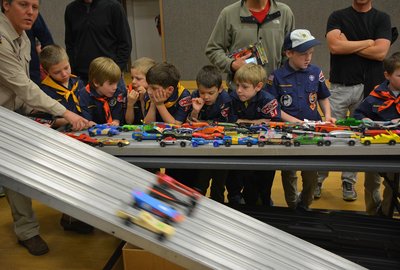
There is a particular feeling that comes with winning your pack derby. Your kid is holding a trophy, grandparents are taking photos, and for about a week the car sits on the kitchen counter like a museum piece. Then the district invitation arrives, and the questions start. Do we change anything? Is the car still legal? What are we walking into?
The honest answer is that the district race is a different animal. The field is smaller because it is made up of winners, and it is deeper because every car there already beat a room full of competitors. The margin between first and tenth is often measured in thousandths of a second. That does not mean you should rebuild the car from scratch. It means you should be deliberate about what you touch.
Check the Rules Again, Carefully
This is the most common mistake at the district level. Pack rules and district rules are not always identical. Wheel and axle restrictions, weight limits, length and width maximums, and whether any aftermarket parts are allowed can all differ. Some districts allow polished axles while some packs do not. Some allow raised wheels, some do not. Read the district sheet line by line and compare it to what you built. If something is out of compliance, fix it now rather than at check-in.
Once you are confident the car is legal, resist the urge to make big changes. A car that won your pack is a known quantity. It ran well on a real track under real conditions. Tearing it apart to chase a theoretical improvement usually ends badly. The changes worth making are small and reversible: a fresh graphite application, a check that the wheels spin freely, a look at whether anything has shifted or loosened since the pack race.
If you have time and a practice track, run the car a few times and time it. Compare those times to what you saw at the pack race. If it is consistent, leave it alone. If something has degraded, figure out what changed before you start swapping parts.
Managing the Day Itself
District races tend to run longer and draw a bigger crowd, which means more waiting and more noise. Bring snacks, water, and something to do during downtime. Keep the car in its box when it is not racing, away from sunscreen, spilled drinks, and curious younger siblings. Graphite the axles lightly before check-in, not after, since most venues do not want loose lubricant near the track.
Set expectations with your racer before you arrive. At this level, a top-ten finish is a genuinely strong result. A car that makes the final rounds has done something impressive. Talk about that in advance so the day does not hinge on a single outcome.
And if the car does not place, that is fine. The district race is where kids see what is possible. They meet builders who have been at this for years, they watch cars that seem to float down the track, and they come home with ideas. That is worth the trip on its own.
-

-
Workshop Safety for Young Builders: Tools, Glue, and Keeping Fingers Intact
Sep 4, 2026Event Coverage

-

-

-

-
Reading a Race Bracket: How to Follow Your Pack's Derby Without Getting Lost
Sep 29, 2026Event Coverage


Pinewood Pulse
The difference between a chaotic derby and a memorable one usually comes down to preparation, not luck.