


The Axle Polishing Routine That Quietly Wins Races
Car-Building Tips | October 4, 2026
Every season, a parent walks into the workshop with a beautifully carved wedge, a perfect paint job, and a set of axles that came straight out of the box. The car looks fast. It isn't. In pinewood derby racing, the body gets all the attention, but the axles and wheels are where races are actually decided. If you only have one evening left before the race, spend it on the axles. That is not an exaggeration. It is the single highest-return hour in the entire build.
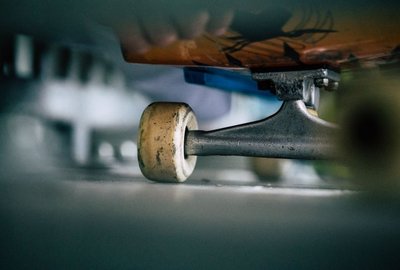
Start by understanding what you are fighting. Those little nails have a crimp mark and a rough edge near the head, and any burr that touches the wheel bore creates friction with every single rotation. Over a 40-foot track, a wheel can spin thousands of times. Multiply a tiny amount of drag by thousands of rotations and you have a car that loses by a nose. The good news is that smoothing those surfaces is cheap and does not require a machine shop.
The Basic Polishing Progression
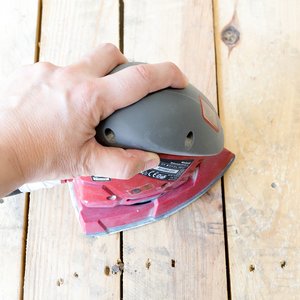
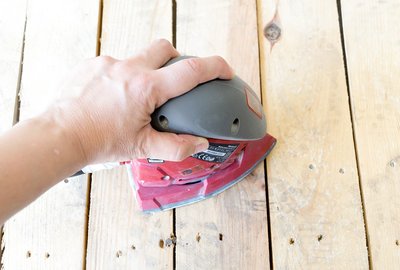
You need a few things: fine-grit wet sandpaper (start around 600 and work up through 1500 or 2000), a polishing compound, a soft cloth, and a way to spin the axle. Many builders chuck the axle into a drill and hold the sandpaper against it, which is fast but easy to overdo. If you go that route, keep the speed low and the pressure light. You are smoothing, not reshaping. Work through each grit in one direction, then rotate the axle and work perpendicular to the previous scratches. That cross-hatch pattern is how you know you have actually removed the previous layer instead of just polishing over it.
After the sandpaper, move to a metal polish. A small amount on a cloth, spun at low speed, will bring the shaft to a mirror finish. Wipe it clean with a fresh cloth and avoid touching the polished surface with bare fingers, since skin oils attract grit. Some builders finish with a dry lubricant like graphite, working it into the bore of the wheel and onto the axle. Do this over a paper plate or a shoebox lid, because graphite goes everywhere and stains everything it touches.
What Actually Matters and What Doesn't
There is a lot of folklore in this hobby. Some of it is harmless, some of it wastes your evening. Polishing axles matters. Cleaning the wheel bores with a pipe cleaner or a soft brush matters. Removing mold flashing from the wheel tread matters. Beyond that, be skeptical of anything that sounds like magic. The goal is simple: reduce friction between the axle and the wheel bore, and reduce friction between the wheel and the track. Everything else is decoration.
One more thing worth saying. Check your local rules before you start. Some packs require the axles and wheels to be used as they came in the box, with only light sanding allowed. Others permit full polishing and aftermarket wheels. Rules vary enormously from pack to pack, and a fast car that gets disqualified is slower than a slow car that finishes. Read the sheet your pack hands out, ask the race organizer if anything is unclear, and build within those limits.
Do this routine once and you will feel the difference when you spin a wheel on the axle with your fingers. It should turn freely and keep turning for a moment. That little spin is the sound of a car that will be competitive on race day.
-
Reading a Race Bracket: How to Follow Your Pack's Derby Without Getting Lost
Sep 26, 2026Car-Building Tips

-

-
Graphite, Oil, or Nothing at All: Choosing a Lubricant for Your Pinewood Derby Axles
Sep 14, 2026Race Results

-

-
Workshop Safety for Young Builders: Tools, Glue, and Keeping Fingers Intact
Sep 25, 2026Car-Building Tips

-

-
The Design Award Playbook: How to Build a Car That Looks as Good as It Runs
Sep 30, 2026Race Results

-

-
Reading a Race Bracket: How to Follow Your Pack's Derby Without Getting Lost
Sep 17, 2026Car-Building Tips

Pinewood Pulse
Double elimination confuses first-time families every year, so here is a plain-language guide to what those lines and letters mean.