



Graphite, Oil, or Nothing at All: Choosing a Lubricant for Your Pinewood Derby Axles
Car-Building Tips | September 19, 2026
Walk into any pinewood derby workshop and you will hear the same debate before the first block of wood is even cut: graphite or oil? Both have loyalists, both have real advantages, and both can be done badly. The good news is that the choice matters far less than how carefully you apply whatever you pick. A sloppy graphite job will lose to a careful oil job, and the reverse is just as true.
Before you buy anything, read your pack's rules. Some races explicitly ban liquid lubricants because they can drip onto the track and affect other cars. Others allow them but require that they be applied well before the race so nothing leaks during the event. If your rules are silent, ask your race coordinator. It is a much better conversation to have three weeks before the derby than at the registration table.
How Each Lubricant Actually Behaves
Graphite is a dry powder that works by sliding between the axle and the wheel bore. Its biggest strength is that it does not attract dust the way oil can, and it is forgiving if you need to reapply between heats. The tradeoff is that graphite is messy and it breaks down faster under repeated runs. Most racers who use graphite plan on a light touch-up every few heats.
Oil, usually a purpose-made derby oil or a light synthetic, creates a thin film that reduces friction very effectively when applied correctly. It tends to hold up well across many runs, which is why some racers prefer it for longer events. The catch is that oil requires a cleaner preparation process. Any residual graphite or grit in the wheel bore will turn your oil into a grinding paste, and that is worse than no lubricant at all.
There is also the option of running a dry, polished axle and wheel bore with no lubricant. This can work surprisingly well in short races, but it demands excellent surface preparation and is less forgiving of imperfections. It is not the shortcut some people hope it is.
Matching the Lubricant to Your Build and Race Day
If your car is built with a focus on simplicity and you want to be able to adjust at the venue, graphite is the safer pick. It lets you add a puff between heats without disassembling anything, and it does not require a perfect bore. If your car is built for maximum consistency and you have time to prepare the axles and wheels properly, oil can give you a slight edge in longer races.
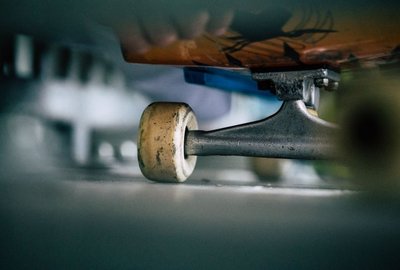
Whatever you choose, preparation is where the real gains live. Polish the axles, clean the wheel bores, and apply the lubricant in a way that matches its type. Graphite goes on sparingly and gets spun in. Oil goes on in a tiny amount and needs a few test spins to distribute. Over-applying either one is a common mistake that adds drag instead of removing it.
One more thing: test before race day. Run your car on a practice track if you have access to one, or at least spin the wheels and listen. A car that rolls smoothly and quietly is usually a car that will perform well. If it sounds gritty, something is wrong, and no amount of last-minute lubricant will fix it.
At the end of the day, the lubricant is one small part of a larger system. Axle prep, wheel alignment, and weight placement all matter more than the brand name on the tube. Pick a lubricant that fits your rules and your build, apply it with care, and spend your remaining energy on the parts of the car that actually move the needle.
-

-
The Design Award Playbook: How to Build a Car That Looks as Good as It Runs
Aug 30, 2026Car-Building Tips

-

-
Reading a Race Bracket: How to Follow Your Pack's Derby Without Getting Lost
Sep 22, 2026Race Results

-

-
From the Pack to the District: What Changes When the Competition Gets Bigger
Sep 5, 2026Car-Building Tips

-

-
Graphite, Oil, or Nothing at All: Choosing a Lubricant for Your Pinewood Derby Axles
Sep 24, 2026Race Results

-

Pinewood Pulse

A step-by-step approach to figuring out why a dominant pack-winning car struggled at the next level, without guessing or rebuilding from scratch.