



The Design Award Playbook: How to Build a Car That Looks as Good as It Runs
Car-Building Tips | September 7, 2026
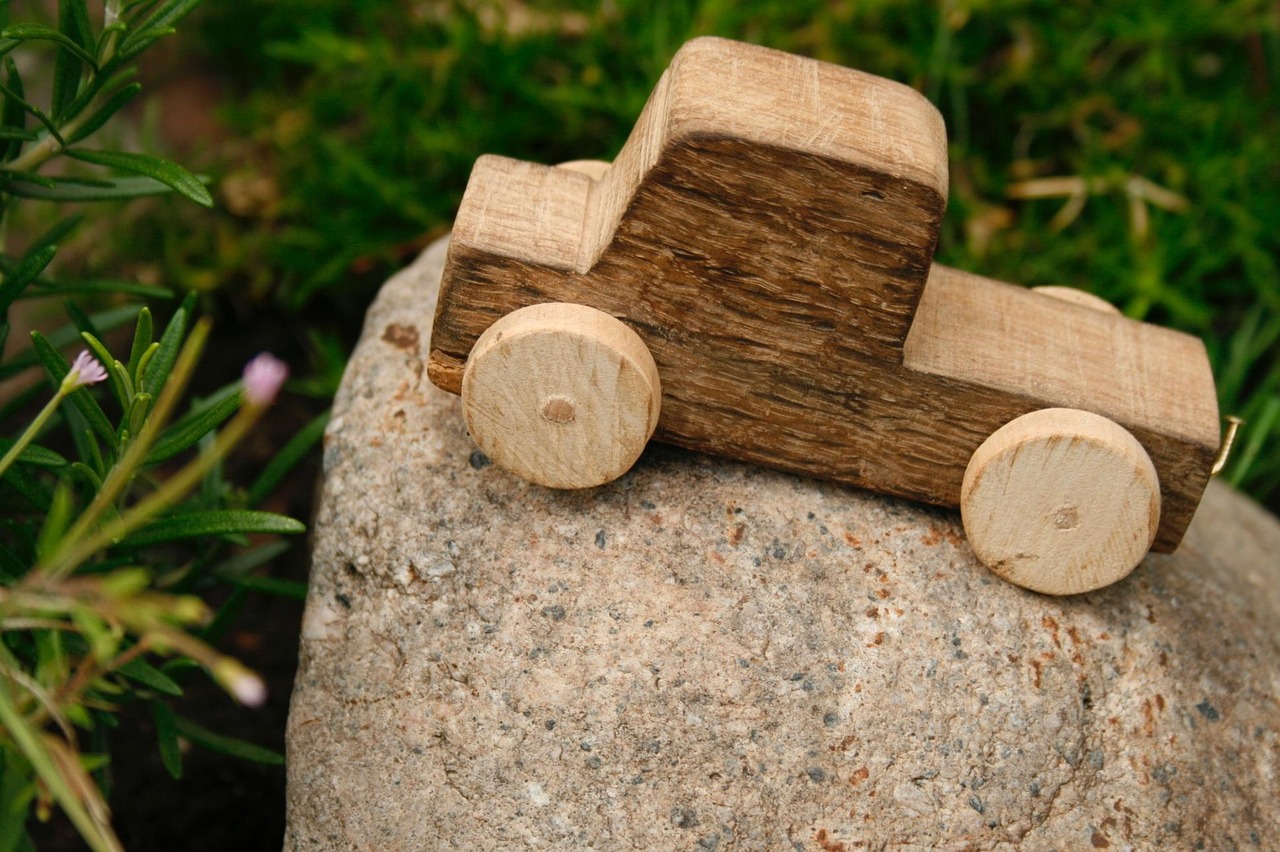
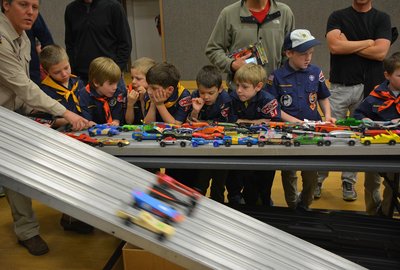
Speed gets the headlines, but the design award table is where a lot of kids have the most fun. A car shaped like a shark, a race car with working lights, or a tiny replica of a family truck can be just as rewarding as a first-place trophy. The good news is that a standout design does not require professional tools or a huge budget. It requires a plan, patience, and a willingness to sand a little more than you think you need to.
Start with a sketch. Before you touch the block, draw your idea from the side and from the top. This forces you to think about proportions and helps you spot problems early. A design that looks great in your head may turn out to be too tall to fit under the starting gate or too wide to clear the guide rail. A quick sketch on graph paper will save you a lot of frustration later.
Shaping and Smoothing the Body
Once you have a plan, transfer the outline to the block. A simple template cut from cardstock works well. For the rough cut, a coping saw or scroll saw is ideal, but a hand saw and a lot of patience will also get the job done. Cut slightly outside your line, then refine the shape with a rasp, files, and sandpaper.
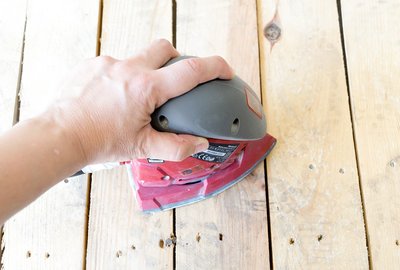
Sanding is where most designs are won or lost. Start with a coarse grit to remove saw marks and shape the transitions, then work through medium and fine grits until the surface is smooth. Pay attention to the areas where the body curves. Rounded edges catch light and make a car look more polished. Sharp corners and flat spots make it look unfinished.
If your design includes details like a cockpit, a spoiler, or a raised section, build them as separate pieces and glue them on after the main body is shaped. This is easier than trying to carve everything from a single block. Use wood glue and clamp the pieces while they dry. Once the glue is set, sand the joints so they blend into the body.
Finishing, Painting, and Details
A good paint job starts with a good surface. Seal the wood with a sanding sealer or a thin coat of primer, then sand lightly. This raises the grain and gives the paint something to grip. Apply several thin coats of paint rather than one thick coat. Thin coats dry faster, look smoother, and are less likely to run.
Choose a color scheme that fits your design. A shark car looks great in gray and white. A race car pops in bright red or blue. Metallic paints and clear coats add depth, but they also show flaws, so make sure your sanding is thorough before you commit. Decals, stickers, and painted details can add personality without much effort. Just keep them light and avoid anything that adds significant weight or drag.
Do not forget the wheels and axles. A beautiful car with dirty wheels looks unfinished. If your rules allow, paint or dye the wheels to match your design, and polish the axles so they shine. Small touches like a painted driver figure, a tiny exhaust pipe, or a number decal can make a big difference on the display table.
Finally, test the car before race day. A design that looks great but does not roll straight is a design that will not win anything. Roll it on a flat surface, check the alignment, and make adjustments if needed. The best design-award cars are the ones that look good and run well, and that combination is always worth the extra effort.
-

-
From the Pack to the District: What Changes When the Competition Gets Bigger
Sep 19, 2026Car-Building Tips

-

-
Graphite, Oil, or Nothing at All: Choosing a Lubricant for Your Pinewood Derby Axles
Oct 3, 2026Race Results

-

-
Workshop Safety for Young Builders: Tools, Glue, and Keeping Fingers Intact
Sep 25, 2026Car-Building Tips

-

-
The Design Award Playbook: How to Build a Car That Looks as Good as It Runs
Sep 7, 2026Race Results

-

Pinewood Pulse
Most builders obsess over the body shape, but the real speed usually hides in four tiny pieces of metal.