




Weight Placement: Why Where You Put the Mass Beats How Much You Add
Car-Building Tips | September 28, 2026
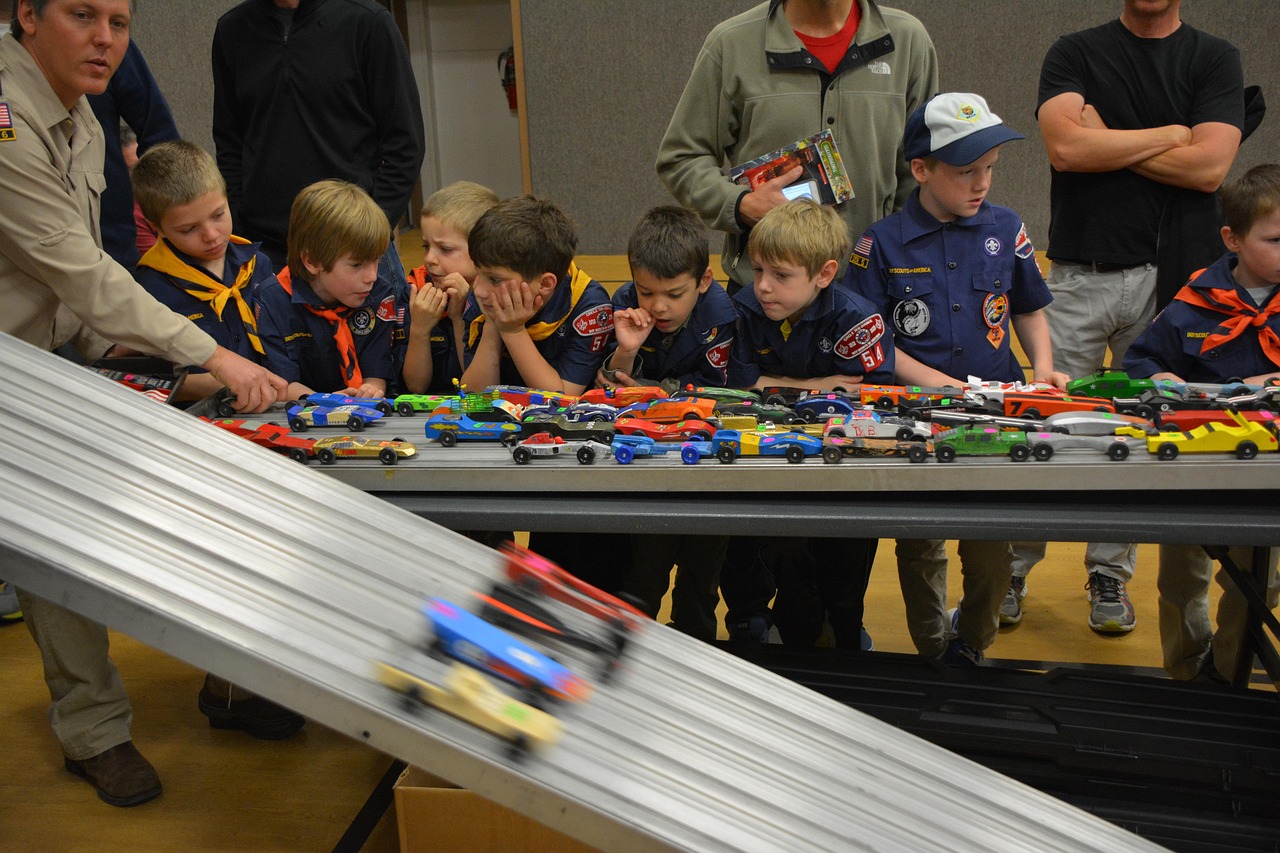
New builders tend to think of the weight limit as a target to hit and nothing more. Get the car to the maximum allowed, glue it down, done. Experienced builders know that the total number is only part of the story. Where you put that mass determines how the car transfers energy at the start and how stable it stays on the flat. Two cars can weigh exactly the same and behave completely differently.
Think about the start of a race. The starting pin drops, gravity pulls the car down the ramp, and the car's potential energy converts into motion. A car with its mass concentrated toward the rear sits higher on the slope for longer, which means more time under acceleration. That is the standard argument for rear weighting, and it is a real effect. Push it too far, however, and the front wheels get light. A light front end wanders. It can bounce, drift into a rail, or lift a wheel off the track, and any of those costs more time than the rear-weight advantage gains.
Finding the Balance Point
The practical approach is to aim for a center of mass roughly one inch in front of the rear axle, then test. That is a starting point, not a law. Build the car, add temporary weights with tape or putty, and run it down a test board or a practice track if your pack offers one. Move the mass forward and back in small increments and watch how the car behaves. You are looking for a car that accelerates hard off the line but still tracks straight and settles onto the flat section without wobbling.
Where you place the weight also affects how the car handles the transition from the ramp to the flat. That curve is where a lot of races are quietly lost. A car with too much rear bias can pop its nose up or slap the front wheels down hard, scrubbing speed. A car that is too neutral can feel sluggish off the line. The sweet spot is usually somewhere in between, and it shifts depending on the wheelbase you chose and how aggressively you polished the axles.
Material choice matters less than people think. Tungsten is denser than lead, so you can pack the same mass into a smaller space, which is useful on thin bodies. Lead is cheaper and easier to shape. Either works. Just make sure whatever you use is securely fastened. A weight that shifts during a run turns a fast car into an unpredictable one, and a weight that falls off is a disqualification waiting to happen. Epoxy, screws, or both. Check it the night before.
Weighing In Without Stress
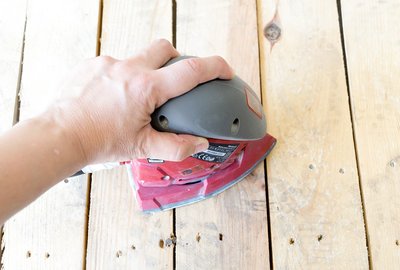
Most packs have an official scale at check-in and a small tolerance for cars that come in slightly heavy. Do not rely on that tolerance. Weigh your car on a kitchen scale at home, and if you are close to the limit, bring a small file or sandpaper so you can shave a gram or two at the venue. It is much easier to remove weight than to add it in a hurry.
Finally, remember that weight placement is a tuning knob, not a secret formula. The best car in your pack will be the one whose builder tested, adjusted, and tested again. Bring a notebook, write down what you changed, and you will learn more in one afternoon than in a season of reading forum posts.
-

-
When Your Car Wins the Pack but Loses the District: A Post-Race Autopsy Guide
Aug 27, 2026Car-Building Tips

-
Workshop Safety for Young Builders: Tools, Glue, and Keeping Fingers Intact
Aug 29, 2026Event Coverage


-
Reading a Race Bracket: How to Follow Your Pack's Derby Without Getting Lost
Sep 27, 2026Event Coverage

-

-

Pinewood Pulse

Winning your pack is a thrill, but the next level plays by slightly different rules and a much deeper field.